skip to content

Our Network


How Food Banks Work


What’s the difference between a Food Bank and a Food Pantry?

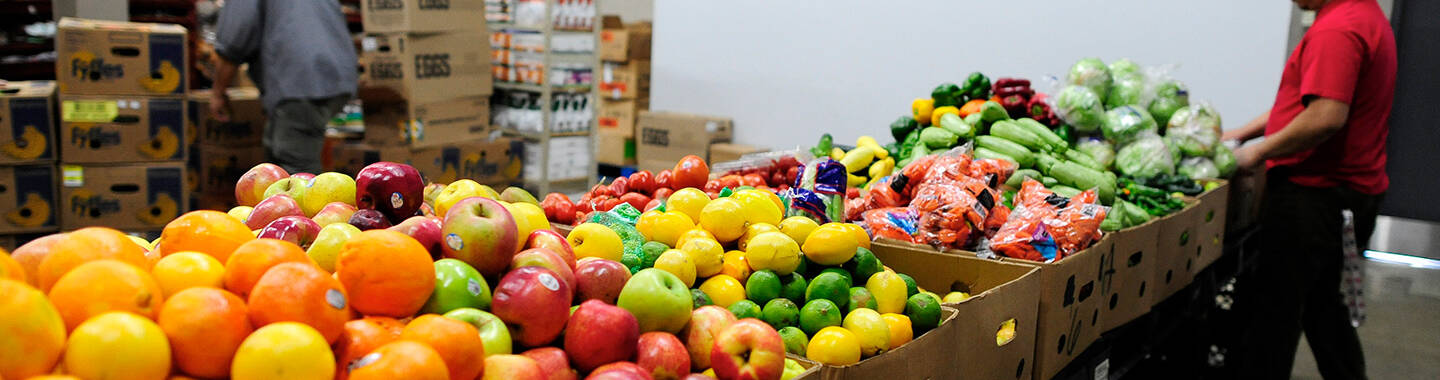
Food Banks are non-profit organizations that collect, purchase and rescue donated food in order to feed individuals through their community partners. The Food Bank is a warehouse where the food is gathered, sorted, inspected for safety and then made available to the community partners, also called agency partners, and commonly known as Food Pantries. 

Food Pantries are the partner agencies– churches, non-profits and community organizations that distributes food directly to individuals and families facing hunger or financial hardship. White the food bank is often the warehouse that sources and stores the food, the food pantry is the final distribution point for the public, often providing free, shelf-stable, and fresh food items to help alleviate emergency situations. They are embedded in the community and often know the neighbors who need their help the most.
How does a food bank get food?

Food comes from many sources including donations, purchases, and USDA commodities. For most Florida food banks, about 20-25% comes from federal programs–The Emergency Food Assistance Program (TEFAP) or The Commodity Supplemental Food Program (CSFP), anywhere between 5-10% comes from purchases, and the rest (as much as 70%) are thanks to generous donations, retail donations, or from farmers. When the economy is hurting, donations tend to decrease and the food bank must increase their purchasing of product to keep up with demand.

Donations

Grocery items are donated from food drives, major retail stores and distribution centers, manufacturers, farms and packing houses. Retail and manufacturing partners contribute significantly to the food bank. And the Farmers Feeding Florida program sources fresh, Florida-grown products for all 9 food banks to supplement the need for fresh produce, protein, and dairy. 

Purchase

To supplement donations and to provide specific food for a program or to help partner agencies save money on food they may not receive through donations, Food Banks leverage our national network and relationships to purchase food at the lowest possible price, often saving our partners up to 60% on food they would normally purchase at a wholesale warehouse-shopping club.

USDA Commodities

Commodities are foods that are purchased by the US Department of Agriculture and provided to food banks for distribution to qualified community and non-profit organizations. These products range from canned and boxed, shelf stable foods to fresh produce and frozen meats.

How does food get to families?

First and foremost, partner agencies (food pantries) are an important touchpoint to the community. Our network has over 2,400 partner agencies across the state, making sure the community organizations with direct relationships are able to get food where it needs to go.

In addition to our partner agencies, our food banks also do direct distributions, using a variety of distribution models designed to reach people wherever they are. This may look different if it’s a scheduled pantry distribution, a holiday effort, or during emergencies. These distributions may include:

  • Emergency Distributions- Our food banks, in partnership with the Florida Division of Emergency Management, strategically stage resources statewide. This means we are the first ones in a community after a storm or crisis, able to provide MREs and water to disaster areas. And because we are part of the community, we’re there for the long-haul, first through food box distributions and later through long-term recovery models.  
  • Drive-Up or Walk-Up Distributions– Sometimes agencies will hold larger scale distributions that go beyond a pantry closet or refrigerator. These larger distribution events with the support of the food banks can help more families (often 150-200 at once) and provide donated grocery items, fresh Florida produce and protein, and shelf stable products. 
  • Choice Pantries- This grocery-style pantry gives neighbors the experience of shopping for their own groceries, much like walking into a grocery store. Partial-choice models let guests select from a few options—often produce or large-quantity items—with help from volunteers or signage.
  • Mobile Food Pantries- Mobile pantries bring food directly to neighborhoods and rural areas, often in partnership with local churches, community groups, or affordable housing sites. Imagine a box truck or food truck that’s been converted to become a mobile grocery store.