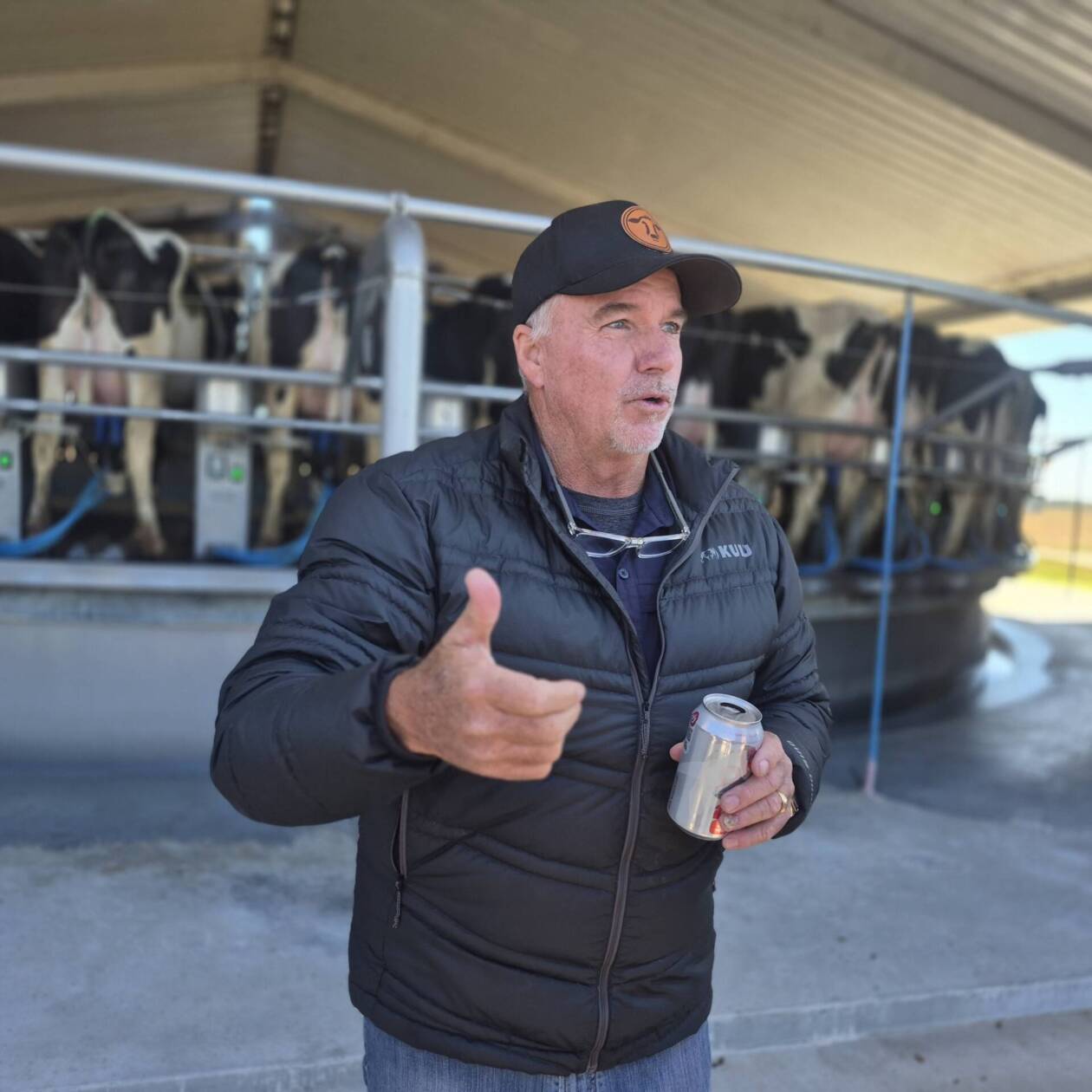
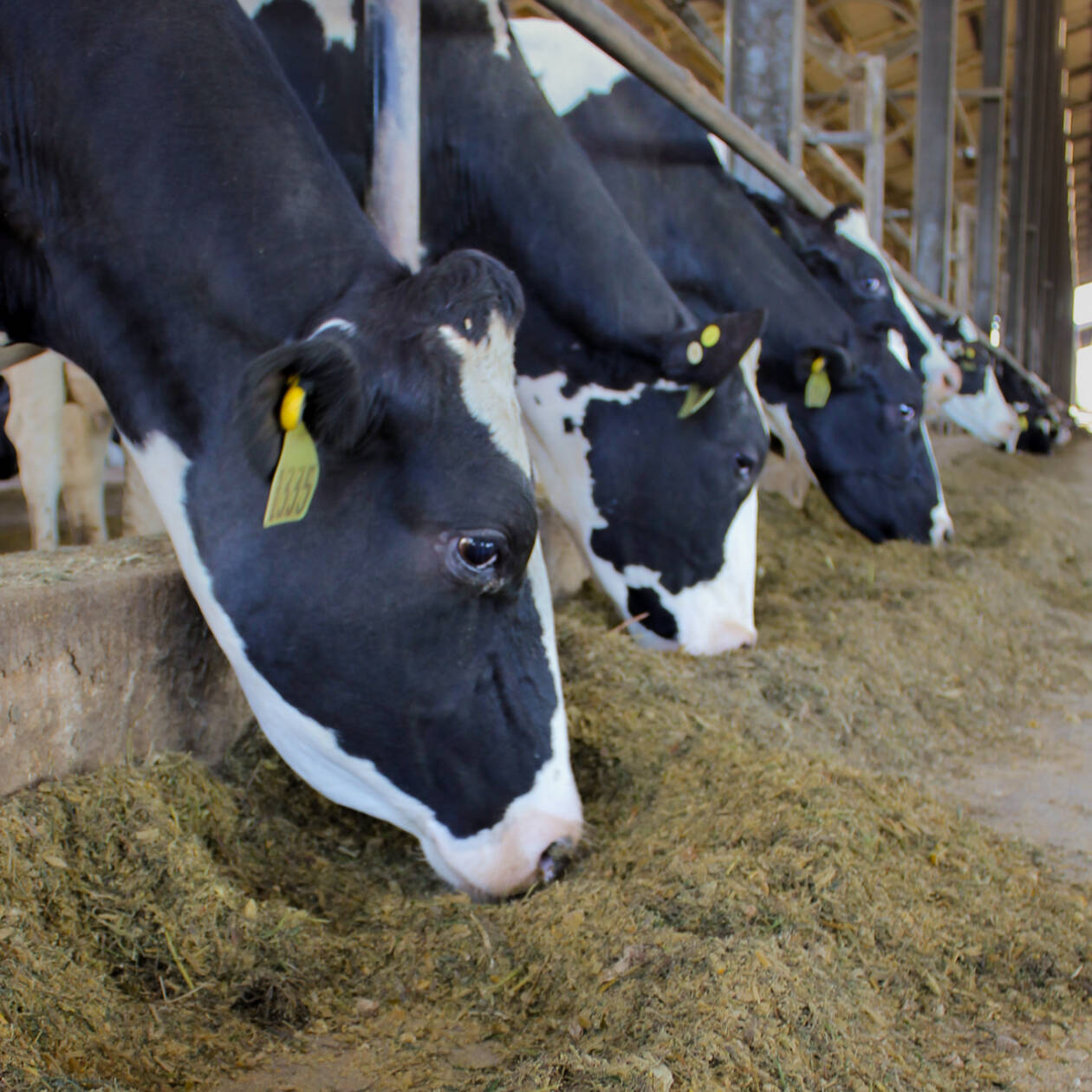
Florida’s dairy industry is powered by 35 farm families managing approximately 45 dairy farms across the state. Together, they care for nearly 100,000 dairy cows and produce between 250 and 300 million gallons of milk each year.
Despite this significant production, Florida is considered a “milk deficit” state, meaning local production still does not meet the demand of Florida’s growing population. To keep grocery shelves stocked, the state relies heavily on milk transported from other parts of the country.
At the same time, dairy farming operates on a continuous cycle. Cows must be milked every day, regardless of market conditions or seasonal demand. During periods when demand drops—especially in the summer months when schools are out—farmers can face an oversupply of milk with limited outlets for distribution.
Without a reliable way to move that surplus milk, farmers can experience major financial losses. Feeding Florida helps bridge that gap by connecting excess milk with families experiencing hunger across the state. This effort not only helps provide nutritious food to Floridians in need, but also supports Florida dairy farmers and strengthens the state’s food supply chain during times of market instability.