skip to content

Take Action - Learn


Food Insecure Populations


Why are people hungry?

One “bad month” can be enough to plunge a household into missing meals. Lay-offs at work, unexpected car maintenance or an accident on the job can suddenly force a family to choose between buying food and paying bills. Working families across America face countless situations that can result in hunger.

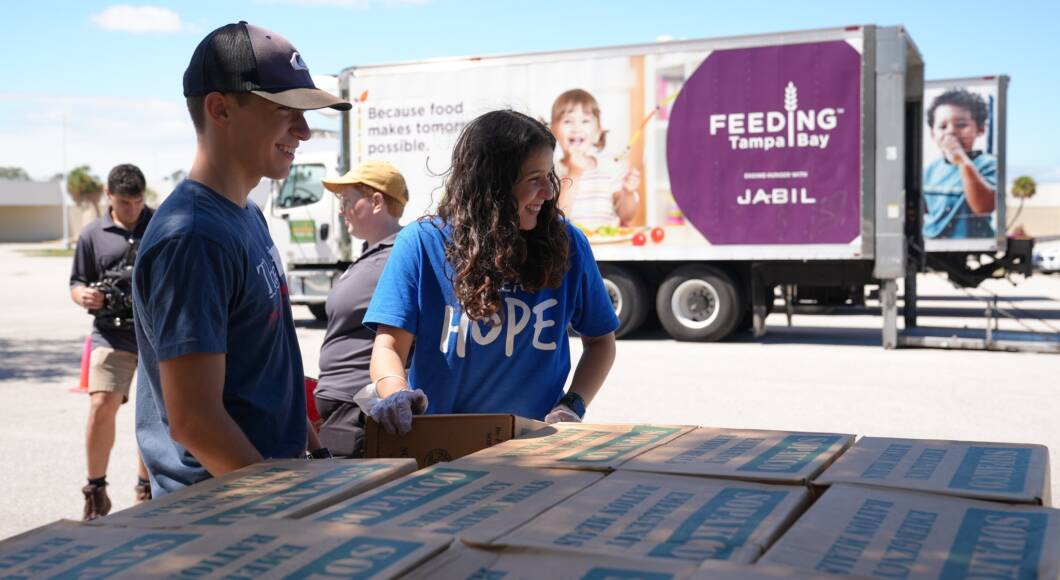
That’s why many working families, including thousands of households who don’t qualify for federal nutrition assistance, depend on the Feeding America network of food banks to help make ends meet during difficult times. The Feeding America network serves nearly every community in the United States, helping more than 42 million people — including 13 million children and 7 million seniors.
What are the effects of hunger?

Lack of access to healthy food can have a wide impact, depending on each individual’s circumstances. Some of the most common, yet complex, effects of hunger include:

  • serious health complications, especially when people facing hunger are forced to choose between spending money on food and medicine or medical care
  • damage to a child’s ability to learn and grow
  • difficult decisions for seniors — often living on fixed incomes — such as choosing between paying for food and critical healthcare.

Who goes hungry?


Hunger can affect people from all walks of life. Many Americans are one job loss or medical crisis away from food insecurity – but some people, including children and seniors, may be at greater risk of hunger than others. Get the facts.

Our Programs

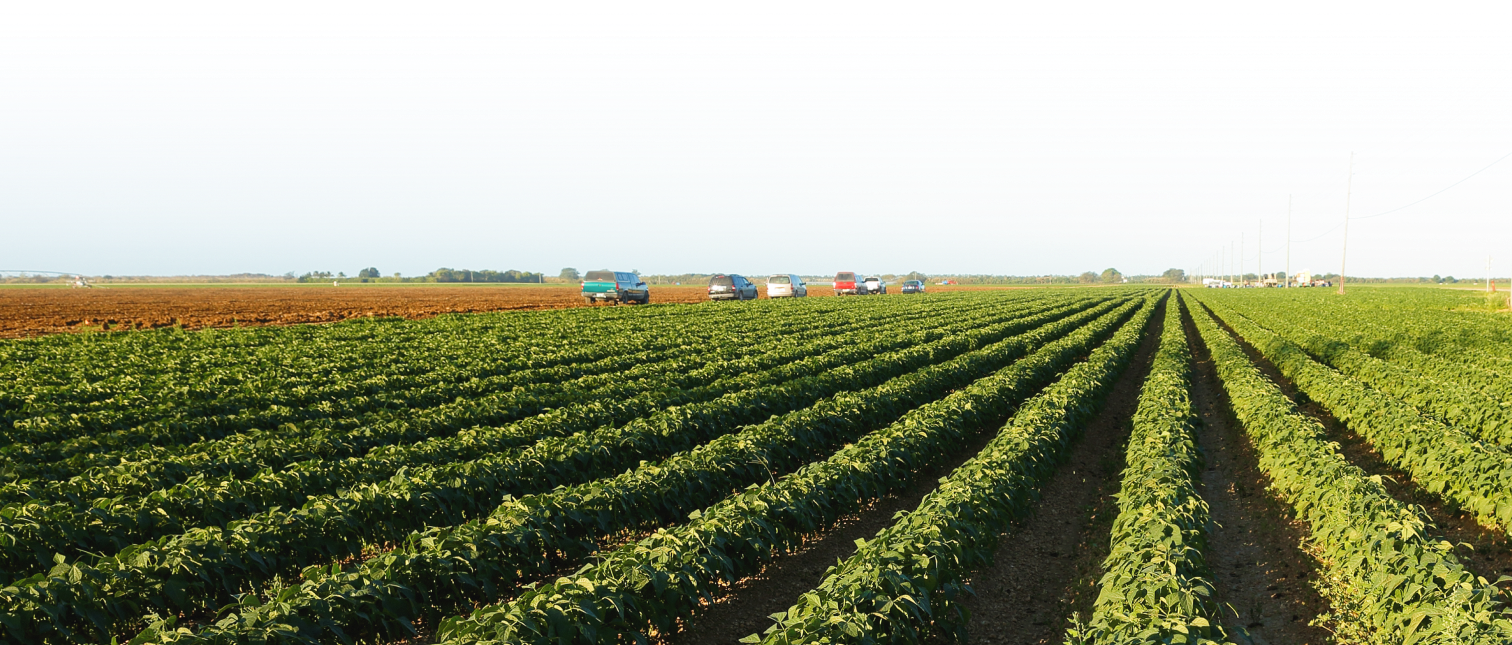
Individuals and families living in rural areas of Florida experience a unique set of hardships, such as lack of food access, at higher rates than people in urban areas. This is why the Feeding Florida network is dedicated to reaching all communities throughout Florida’s 67 counties, not just the more suburban areas.