
Rural communities are a big part of what makes Florida strong but the many things that make rural areas so special can also present challenges. Long distances, limited transportation, and fewer grocery stores can turn a simple grocery trip into a real challenge. For many families living in rural areas getting healthy, affordable food can be a challenge and with more than half of communities in the U.S. identified as rural, it is critical to bring creative solutions.
Why Food Access Is Harder in Rural Areas
The U.S. Department of Agriculture (USDA) defines a food desert as a community where there is at least a 20% poverty rate and, in the case of rural communities, 33% of the residents of the community live more than 10 miles from the nearest grocery store. As noted in the Rural Health Information Hub, many rural areas lack a population base large enough to support a grocery store that stocks a variety of affordable and healthy food. This issue of limited selection and high prices continues to be an issue for rural communities when their local, independent grocery stores struggle with financial viability.
When fresh food is difficult to find, especially in rural areas that already have limited public transportation options, families may have to buy what is closest or cheapest, even if it is not very nutritious. Over time, this can affect health, finances, and overall well-being. That is why food access, not just food availability, matters.
While these challenges are real, solutions are growing across Florida. Food banks and community partners are working together to bring fresh, local produce and healthy food into rural areas, helping families stretch their food budgets and make healthier choices.
Reaching Families Where They Live
One of the ways our food banks are reaching rural families is through Mobile Pantry and Mobile Market programs. These programs bring food directly to communities where grocery stores or food pantries may not exist.
Mobile pantries may offer pre-packed food boxes or set up like a small market, allowing families to choose what works best for them. All nine of the Feeding Florida food banks have expanded these programs to better serve rural, less-populated, or food desert areas. These mobile programs help ensure families can still get food, even when distance, transportation, or work schedules make access difficult.
 Robert’s Story: Why This Work Matters
Programs and partnerships matter most when they reach the people who need them. In rural communities, these efforts can make a real difference for families facing uncertainty.
In the small, rural community of Old Town, about 25 miles from Suwannee, Robert is doing his best to support his family during a difficult time.
“I’m on the verge of disability,” Robert shared. “My wife is the one providing for us right now, so this food helps us a lot.”
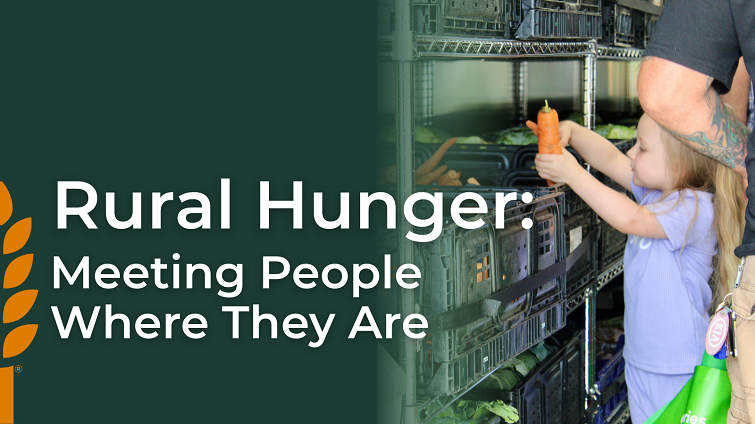
Robert and his daughter, Joylynn, found support through a Mobile Market at Salt Creek Baptist Church, a partner agency of Second Harvest of the Big Bend. There, they received bags of groceries filled with fresh food. Robert explained, “The Mobile Market brings a lot of help. Right now, a small bag of groceries can cost $80–100 at the grocery store.” Joylynn was especially excited about the fresh apples and carrots she picked out.
Stories like Robert’s show why rural food access matters. When families cannot make it to a food bank or partner agency, the network works to bring food directly to them.
Investing in Infrastructure to Strengthen Food Access
As the need for food access solutions grows, long-term investments are helping strengthen support in rural communities. To build on this work, the Florida Legislature invested $10 million through the Department of Agriculture and Consumer Services to strengthen food bank infrastructure across the state.
Using data, such as Feeding Florida’s Meal Deficit Metric, along with SNAP retailer and community mapping, the network identified areas with the greatest unmet food needs and the fewest quality food outlets. This data-driven approach helps ensure investments reach the communities where they are needed most.
These investments are helping to:
- Expand mobile routes into hard-to-reach rural counties
- Increase cold storage so more fresh food can be distributed into local communities
- Add flexible options that fit families’ schedules, like food lockers for after-work pick ups
Together, these improvements strengthen the rural food system and help ensure families have reliable access to nutritious food.
The Role of Rural Grocers and Farmers Markets
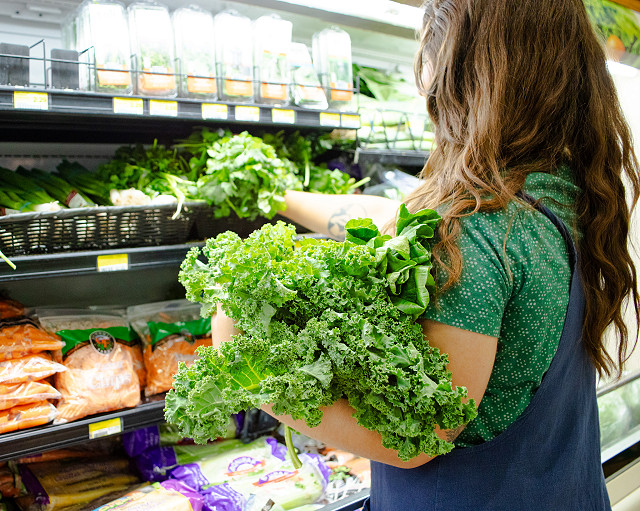 Nutrition incentive programs like Fresh Access Bucks (FAB), a program of Feeding Florida, are also part of the solution in rural communities as it supports the local economy for long term sustainability. By matching SNAP dollars spent on fresh fruits and vegetables, FAB makes healthy food more affordable for families and brings added revenue to locally owned grocers and farmers markets.
Meghan Fiveash, FAB’s Strategic Partnerships Manager noted, “Rural grocers and farmers markets offer a model that fits for their community, making the access to food and economic impact sustainable."
In rural areas, where there are fewer food retailers and shorter supply chains, these programs strengthen connections between markets, farmers, and customers. This allows grocers and farmers markets to respond quickly to community needs and offer fresh, in-season foods in ways larger systems often cannot, making healthy food access more reliable and sustainable.
“The farmers and producers are both vendor and customer for these rural markets,” said Meghan. “And these spaces can often serve as an incubator for them to grow their business, invest in their community and provide more jobs.”
“Through these relationships, markets in rural communities have access to fresh, in-season foods, they have more flexibility to offer those foods to their customers and local producers can grow and sell what they know their neighbors want.”
Committed to Feeding All of Florida
Addressing rural hunger means meeting families where they live and supporting solutions that work for each community. Across the state, Feeding Florida’s food bank network is helping close gaps in food access through mobile food programs, smart investments, and partnerships with local markets and farmers.
Thanks to generous community support, families across rural Florida are gaining better access to fresh food, stronger local support, and hope for healthier futures. Together, these efforts are bringing fresh, nutritious food closer to home.