Our Network - How Food Banks Help
Feeding Communities

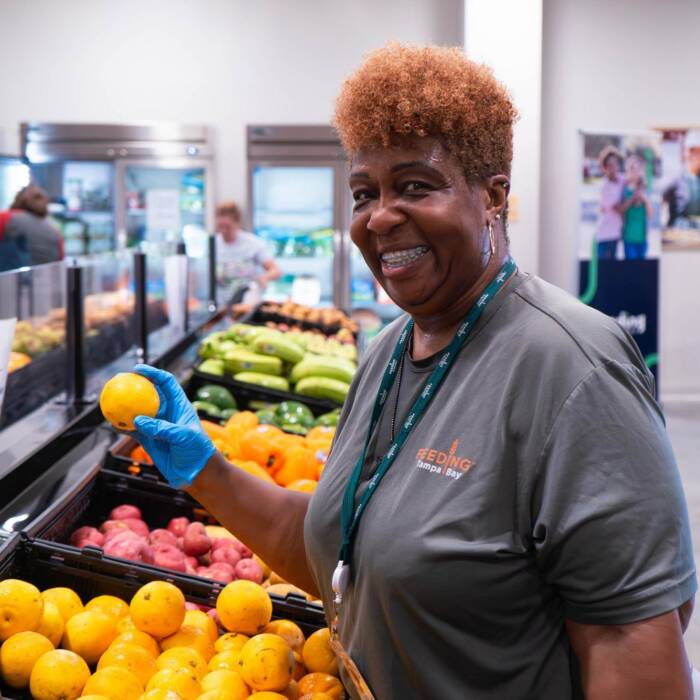
Florida’s food banks serve as the backbone of hunger relief in our state, utilizing diverse programs and extensive networks to ensure that no one in the community has to go hungry. By coordinating the rescue and distribution of millions of pounds of food, our 9 member food banks provide stability and hope to families, children, seniors, and veterans in all Florida 67 counties.
Community Pantries
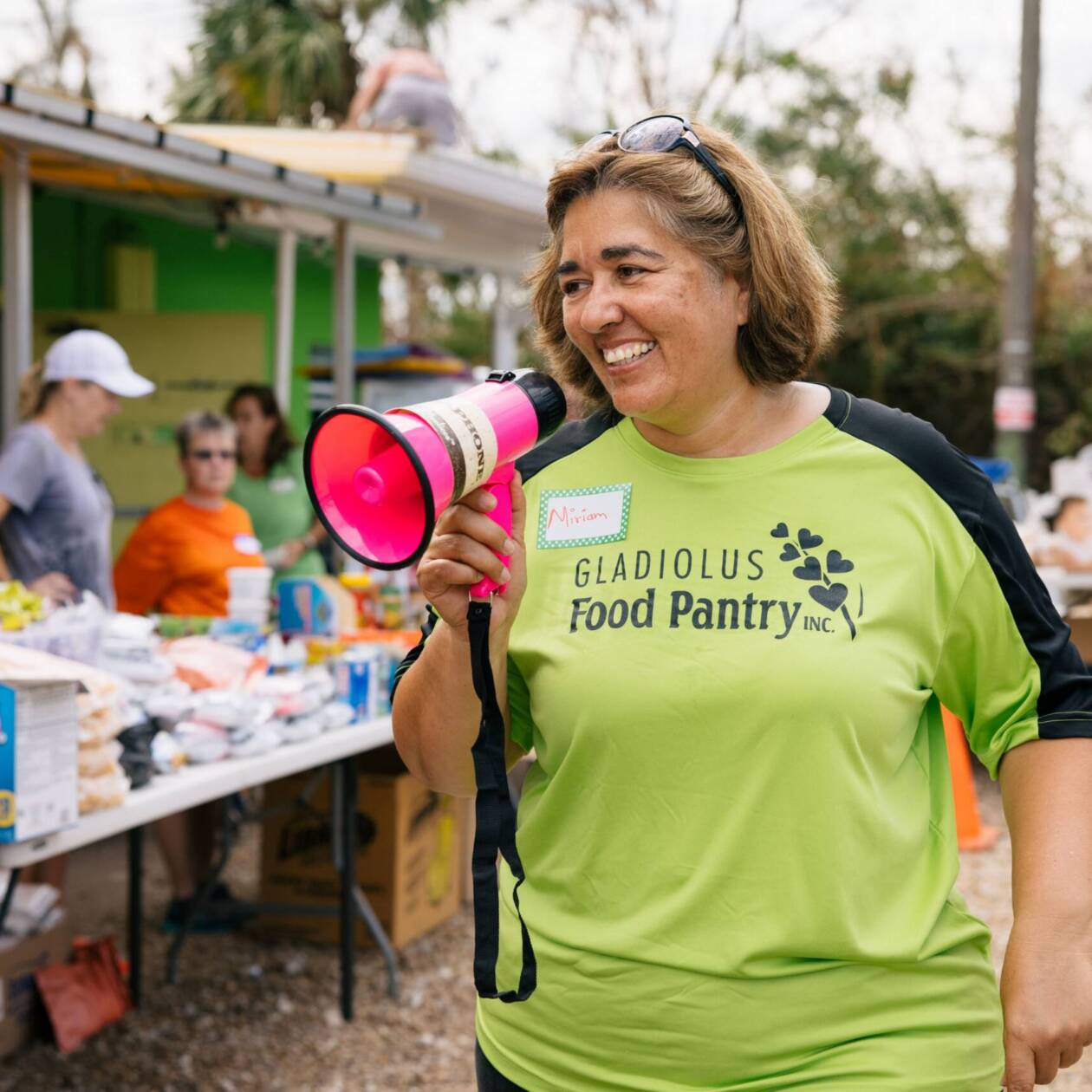
The primary way Feeding Florida’s food banks reach those in need is through a vast network of over 2,400 partner agencies. Instead of operating a single distribution point, food banks act as central hubs that supply food to hundreds of local nonprofits, including neighborhood pantries, faith based organizations, and community partners.
While many of our food banks have established on-site choice pantries and manage direct distributions in the community, local and neighborhood pantries are a life source for neighbors to access consistent food and support when times are tough. Many of our community partners are faith based organizations or community nonprofits, which make sure high-quality food is distributed throughout the community to ensure it is available everywhere it is needed most.
Read our blog to learn more detail about how a community pantry works.
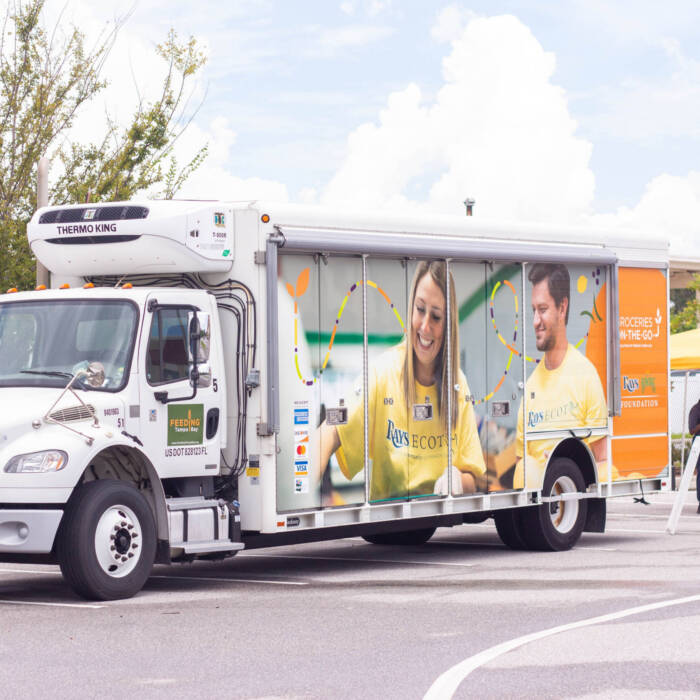
Mobile Pantries—Meeting People Where They Are
Recognizing that transportation and location can be significant barriers to food access, food banks prioritize supporting neighbors where they are. If food banks are unable to partner with neighborhood food pantries or the local organizations face challenges meeting the needs of their community, mobile pantries provide an innovative solution for access to healthy food.
There are many mobile market types, with our food banks typically offering one of these two:
- Mobile Pantry Programs: These “pantries on wheels” bring fresh produce and groceries directly into neighborhoods that may lack traditional grocery stores. These typically have a specific set of food offerings based on what’s in season and readily available, from fresh produce to shelf-stable products.
- Groceries on the Move: These specialized mobile units provide grocery-store-style experiences, offering fresh options to help residents stay strong and healthy. Sometimes they are true mobile groceries, where shoppers can even use their SNAP dollars. In any regard, the ability to have choices in their food selection is providing a great service to neighbors who have limited access to healthy food options or traditional grocery stores.
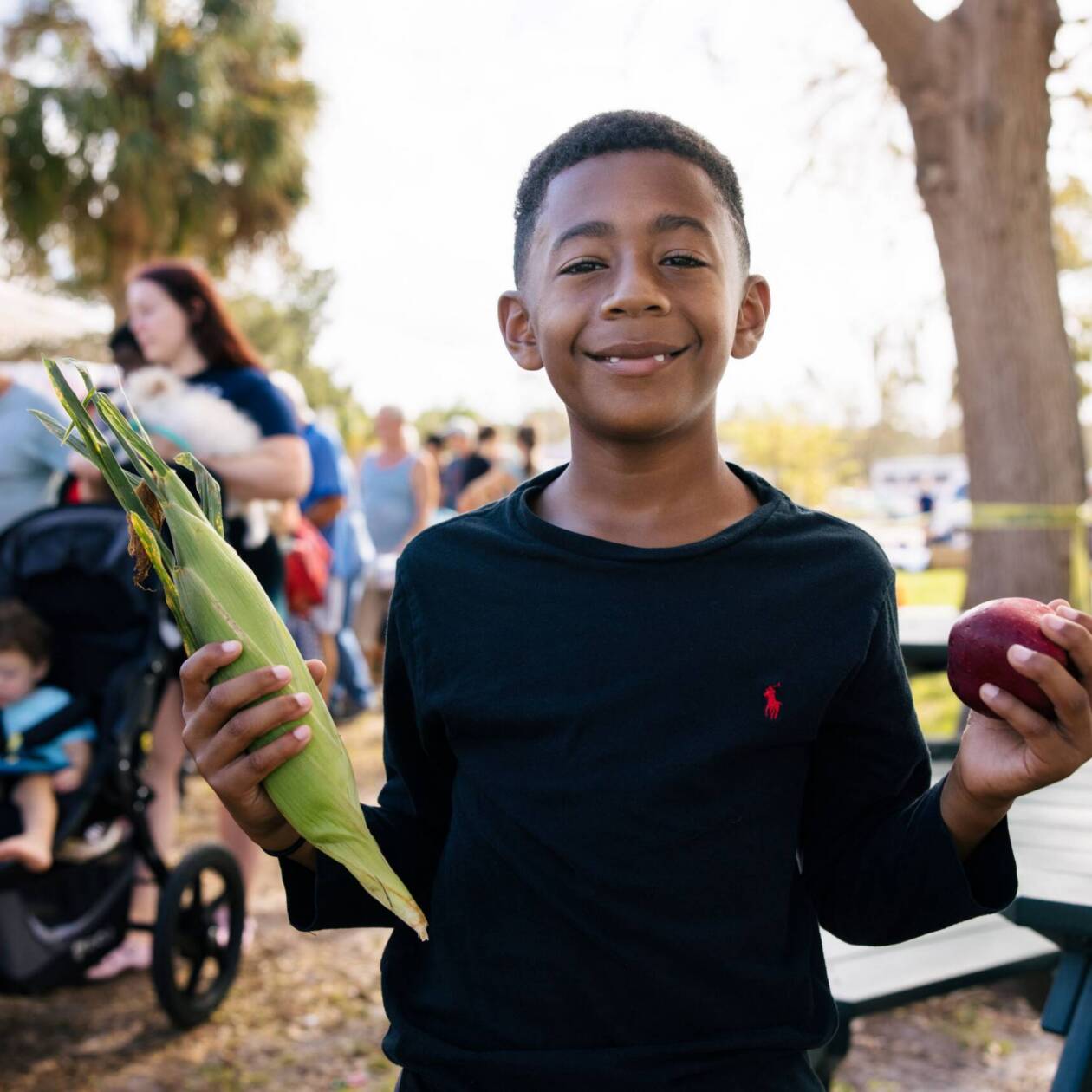
Supporting Children and Seniors
Ensuring that every child has access to nutritious meals is a critical mission, as hungry children often face difficulties in learning and developing. Our food banks run several children’s feeding programs to support over 800,000 children in Florida who don’t know where their next meal will come from.
- Afterschool Meals Program: Several of our food banks operate sites offering free meals to children age 18 and under during the school year. Children can take home bags or “backpacks” of healthy produce, fresh food, shelf stable products, and resources after school to share with siblings and family.
- Summer Hunger Initiatives: Summer programs provide food and support for children who would normally have free or reduced breakfasts and lunches during the school year. Our food banks help support these programs, and many also launch their own summer feeding programs to supplement families who need this extra help in the summer months.
- In-School Pantries: Part of building the infrastructure to support people where they are, our food banks also support many in-school pantries. These provide a discreet and accessible way for students and their families to receive food assistance directly on campus.
Seniors represent a significant portion of those served by our food banks, often facing the impossible choices from a limited income-, making the decision between buying food and paying for essential medicine. All of our food banks partner with local organizations to support seniors in the community and sometimes offer specialized programs as well.
- Senior Feeding Programs: Specialized initiatives provide tailored food boxes to help seniors maintain their health and independence. These food boxes are health driven, providing low-sodium shelf stable product and fresh foods.
- Commodity Supplemental Food Program (CSFP): This federal program offers nutritious USDA foods specifically for low-income seniors. Many of our food banks operate this program and distribute the resources to eligible seniors.
- Home Delivery: For seniors with mobility issues, some food banks offer home delivery services to ensure they receive the nourishment they need, from carefully curated food boxes to complete meals.

Empowerment and Long-Term Stability
Feeding Florida’s network of food banks recognizes that hunger cannot be solved with food alone. They have expanded their services to include programs that address the root causes of food insecurity. Learn more about how food banks help their communities beyond food, with workforce development, benefit assistance, and nutrition education.