skip to content

Florida Grown, Florida Shared
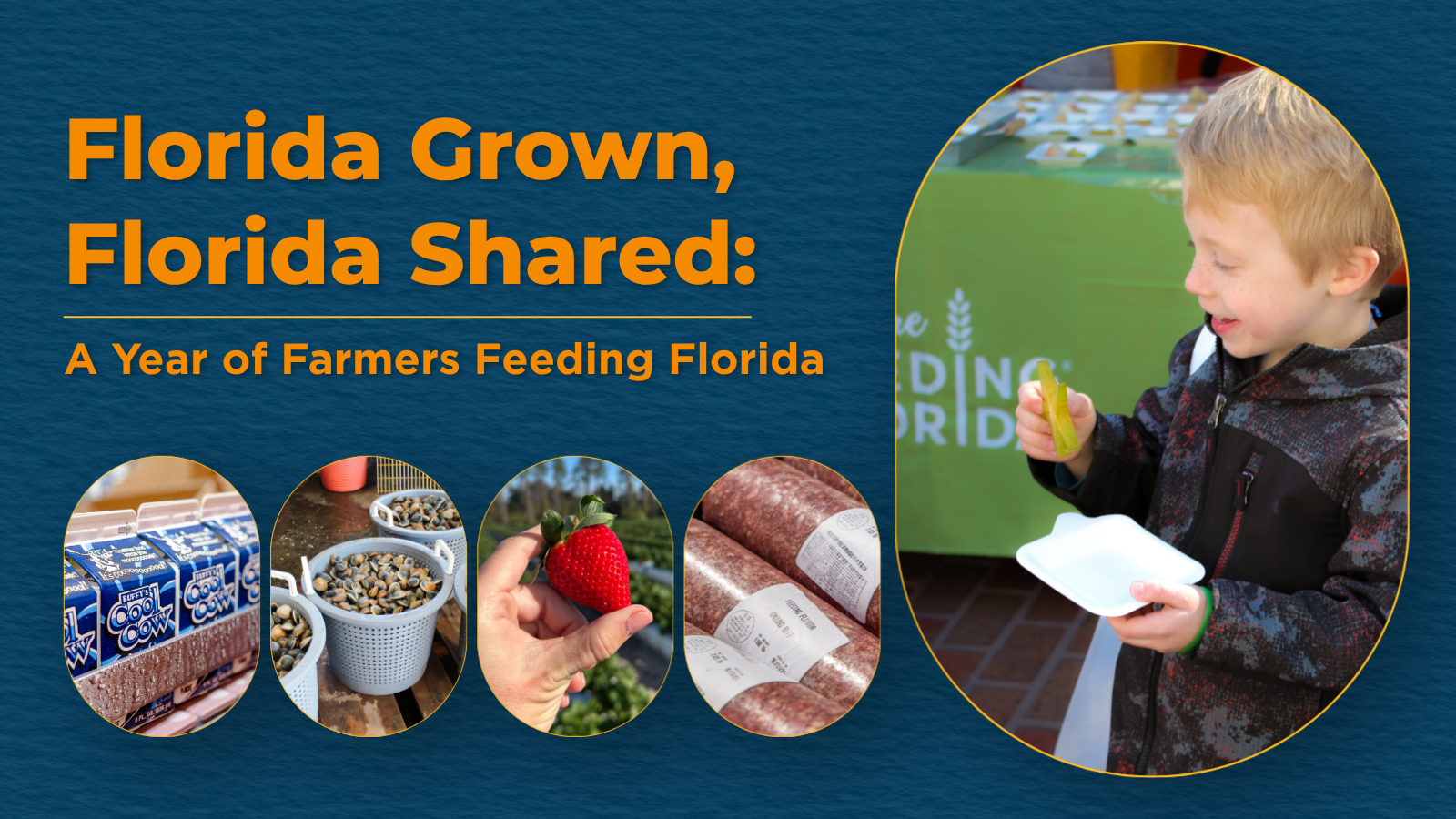
A Year of Farmers Feeding Florida

Farmers Feeding Florida is more than a food recovery program. It is a statewide partnership connecting farmers and ranchers, processors, food banks and state leaders to make sure Florida-grown food reaches families instead of going to waste.

Farmers and producers can face unexpected challenges, from market disruptions and processing plant closures to seasonal oversupply and changes in demand. This past fiscal year, Farmers Feeding Florida provided a way to respond quickly, creating new markets for surplus food while connecting it with communities that need it most.

As we reflect on the program’s incredible year, we see the story behind the numbers. The impact of Florida’s investment in Feeding Florida can be seen across the state—in dairy farms, cattle ranches, produce fields, seafood operations and egg farms.
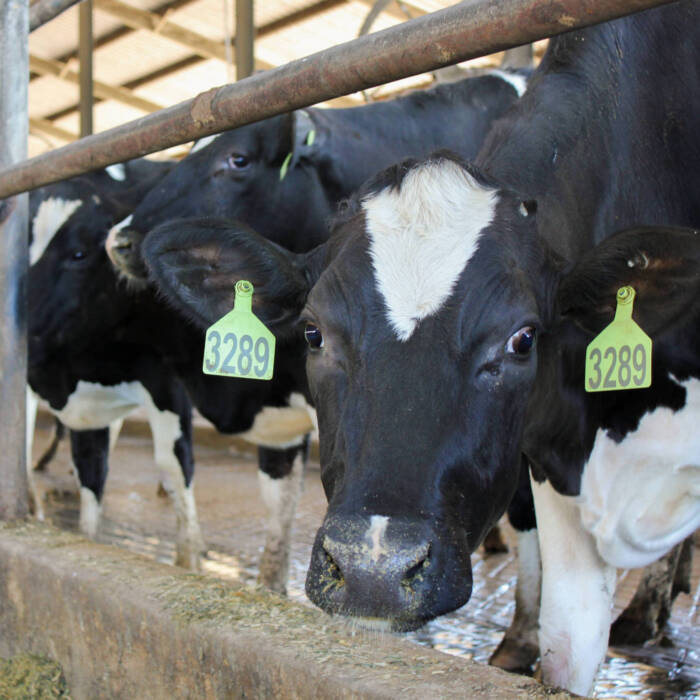
Dairy: Keeping Florida Milk in Florida

Dairy farmers can face significant surplus when demand for fluid milk drops, especially when schools close for holidays, spring break and summer vacation. At the same time, families and children can lose access to school-based meals. Feeding Florida helps bridge that gap by recovering surplus dairy products and moving them through Florida’s food bank network.

In the Summer of 2025, when a production plant unexpectedly shut down, four full tankers of Florida milk were stranded and at risk of being dumped. In less than an hour, the Farmers Feeding Florida team worked with Southeast Milk Cooperative and M&B Products to reroute the milk to M&B’s Hillsborough County facility. All four tankers were recovered, saving nearly 300,000 eight-ounce servings of milk from going to waste.

Seasonal recovery efforts have also made a major impact. During Spring Break, Farmers Feeding Florida helped distribute 256,000 gallons of milk, 258,000 yogurt cups and 107,000 cartons of drinkable yogurt. During this past summer, the program recovered and distributed another 396,915 gallons of milk.

By connecting surplus dairy with community need, the program supports Florida dairy farmers while keeping Florida-produced milk in Florida. This is the new face of milk recovery in Florida.

Beef: Creating Opportunities for Ranchers

Florida’s beef industry is another example of how Farmers Feeding Florida can create a direct connection between producers and families.

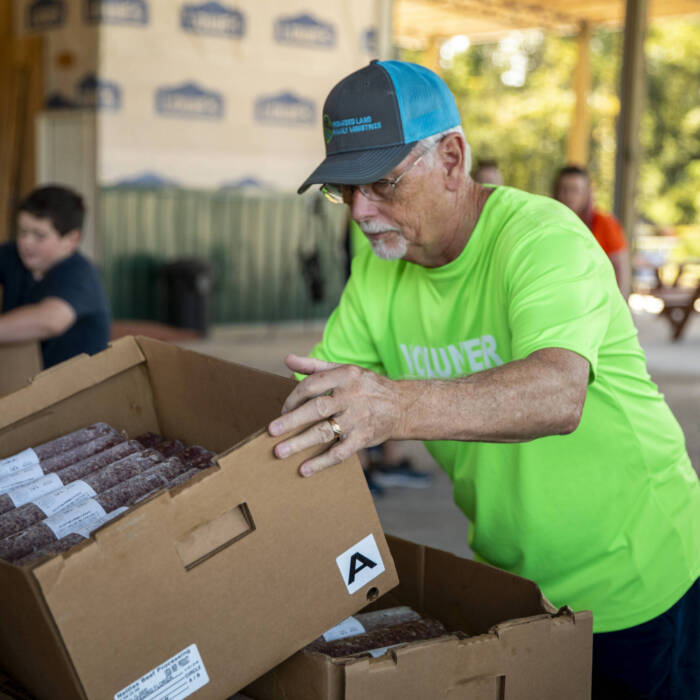
When Alachua County ranchers learned about the Farmers Feeding Florida Beef Recovery Program, they saw an opportunity to help launch a model they hoped other ranchers would join. They donated cattle to the program, which were processed into 428 one-pound packages of Florida-raised ground beef.

By working quickly with the local food bank and a food pantry that serves a rural area food desert, that beef provided high-quality protein to more than 150 families in Union County.

The program has also created new opportunities through Florida’s county youth fairs. During this year’s fair season, five steers were donated by community members who purchased animals to support young agricultural exhibitors. With support from Farmers Feeding Florida, the full cost of processing was covered, removing a major barrier to getting the beef from the fairgrounds to families.

The effort represented approximately $40,000 in donated animal value and resulted in 1,920 pounds of Florida-raised beef distributed through food banks and community agencies.

These efforts show how Florida agriculture can support communities at every stage—from the rancher and processor to the food bank and, ultimately, the family receiving the food.

Produce: Helping Growers Move Surplus

Florida’s produce growers are some of our longest-standing partners in the recovery model. They can face significant challenges when circumstances create more product than the traditional market can absorb. Weather can disrupt a crop, only for conditions to improve and production to rebound when the market is no longer prepared for the volume. Market shifts can also leave a crop oversupplied with nowhere to go, while an exceptionally strong growing season can produce yields well beyond what traditional buyers can take.

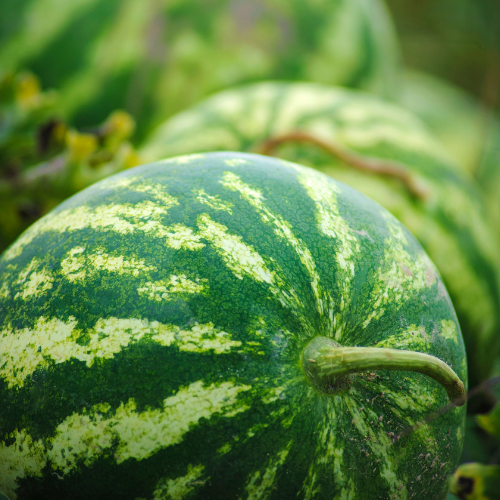
This is why Feeding Florida works to help farmers protect the value of what they grow while making sure nutritious food reaches communities across the state, as was the case for Florida watermelon growers following a seasonal market oversupply. Farmers Feeding Florida provided funding to recover 1.5 million pounds of surplus watermelons that may otherwise have gone unsold, unharvested or to waste.

The recovery supported 12 Florida watermelon enterprises (and numerous small family farms) and created a dependable market outlet for high-quality, harvest-ready fruit.

The produce recovery efforts this past fiscal year were particularly important for growers who had already faced the added expense of replanting fields after multiple freeze events earlier in the season. By helping move surplus production, Farmers Feeding Florida provided an important source of support while ensuring fresh Florida watermelons reached families experiencing food insecurity.

Seafood: Turning Market Loss Into Nourishment

Florida seafood producers face challenges ranging from foreign competition to hurricanes and lost retail markets.

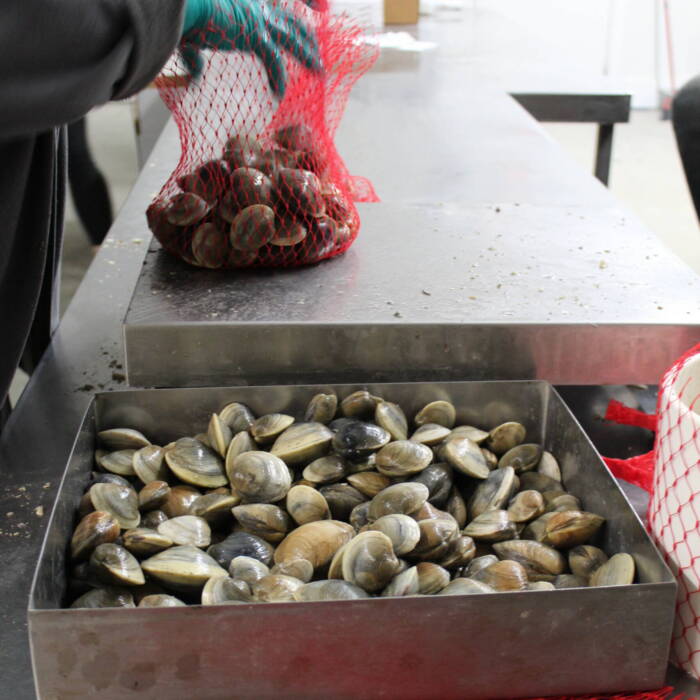
When Cedar Key clam farmer Tim Solano faced a major retail market shift, his harvest suddenly had nowhere to go. Farmers Feeding Florida helped recover the clams and distribute them through the statewide food bank network. Instead of losing a valuable harvest, Florida seafood became a source of fresh protein for families in need.

The program has also supported Florida clam and shrimp producers, helping turn potential losses into fresh protein for families across the state.

Eggs: Creating a Market for Surplus

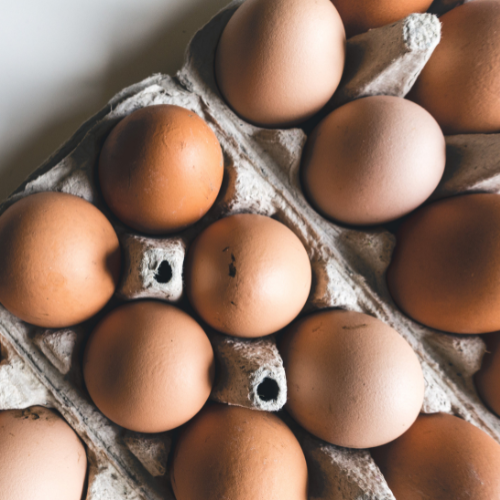
Florida egg farmers often have high-quality products that are overlooked by traditional retail buyers. Larger-size eggs, for example, may not meet retail preferences even though they remain nutritious and valuable.

In the second quarter alone, the Egg Recovery Program moved more than 377,100 dozen eggs into the hunger-relief network. That means thousands of dozen eggs that could have become stranded inventory instead became a reliable source of high-quality protein for families across Florida.

Statewide Impact

During the 2025–26 fiscal year, Farmers Feeding Florida recovered and distributed more than 57.9 million pounds of fresh, Florida-grown food—enough to provide approximately 48.3 million meals to Floridians in need.

This past year, Farmers Feeding Florida has shown what can happen when Florida invests in both agriculture and hunger relief. By strengthening the connection between farms and families, the program reduces waste, supports Florida producers, strengthens local food systems and keeps more Florida-grown food in Florida.

Florida farmers grow it. Florida businesses process it. Florida food banks distribute it. And Florida families have greater access to healthy Florida food for their tables.

Recent News

Florida Grown, Florida Shared

A Year of Farmers Feeding Florida Farmers Feeding Florida is more than a food recovery program. It is a statewide partnership connecting farmers and ranchers, processors, food banks and state leaders to make sure Florida-grown food reaches families instead of going to waste. Farmers and producers can face unexpected challenges, from market disruptions and processing […]

Commodity Chronicles: Produce

The Harvest of Hope: Florida’s Produce Recovery Evolution Florida’s warm, sunny climate and long growing season make it one of the nation’s most productive agricultural states. Mild winters allow farmers to grow and harvest fresh fruits and vegetables when much of the country cannot, providing a reliable supply of fresh produce nearly year-round. Combined with […]

This is the Network: Feeding Northeast Florida

This month we are highlighting Feeding Northeast Florida and the incredible work they’re doing to strengthen communities across Northeast and North Central Florida. From providing nutritious meals to families and seniors to expanding access in rural communities and preparing for disasters before they happen, Feeding Northeast Florida is committed to ensuring neighbors have the resources […]