skip to content

Commodity Chronicles: Produce
The Harvest of Hope: Florida’s Produce Recovery Evolution

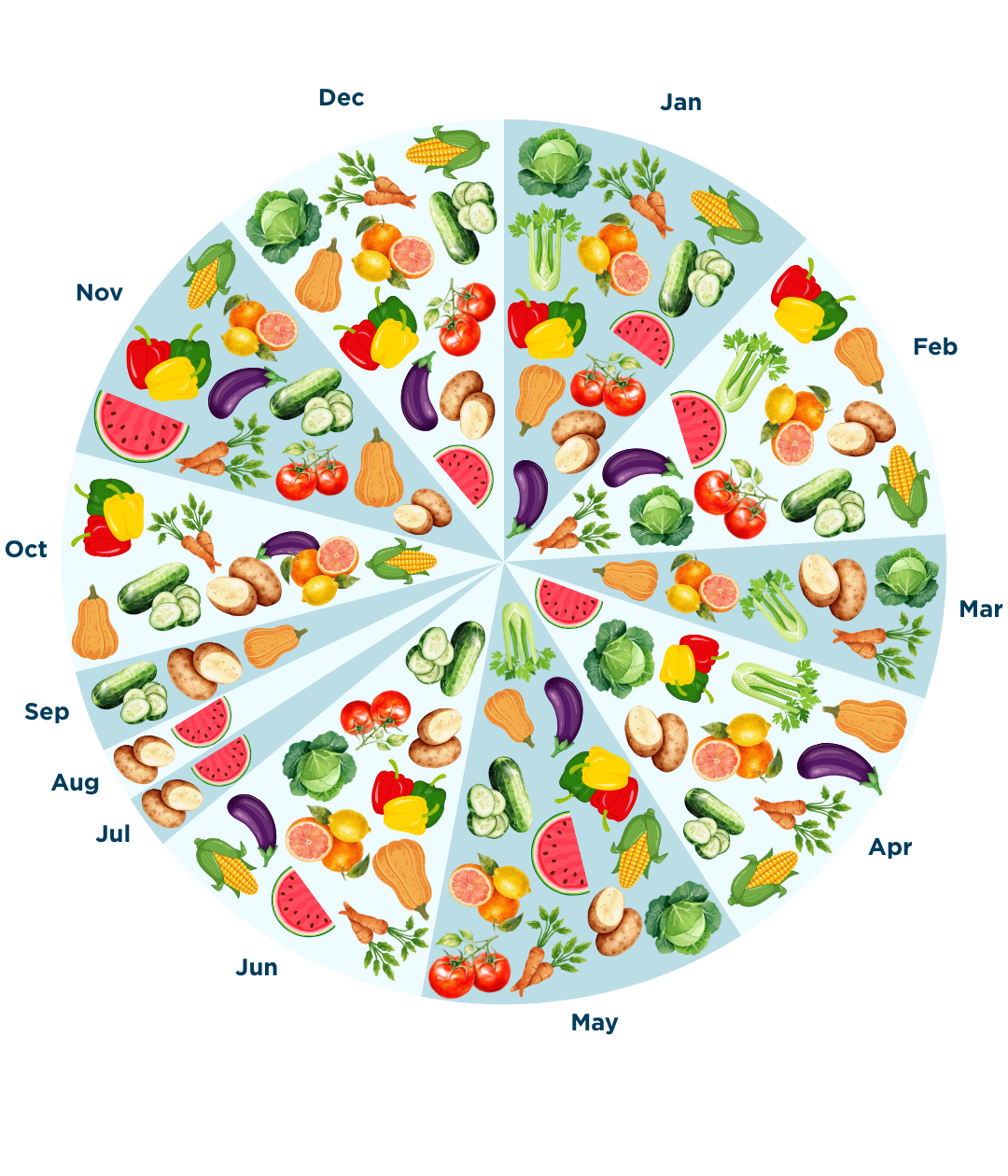
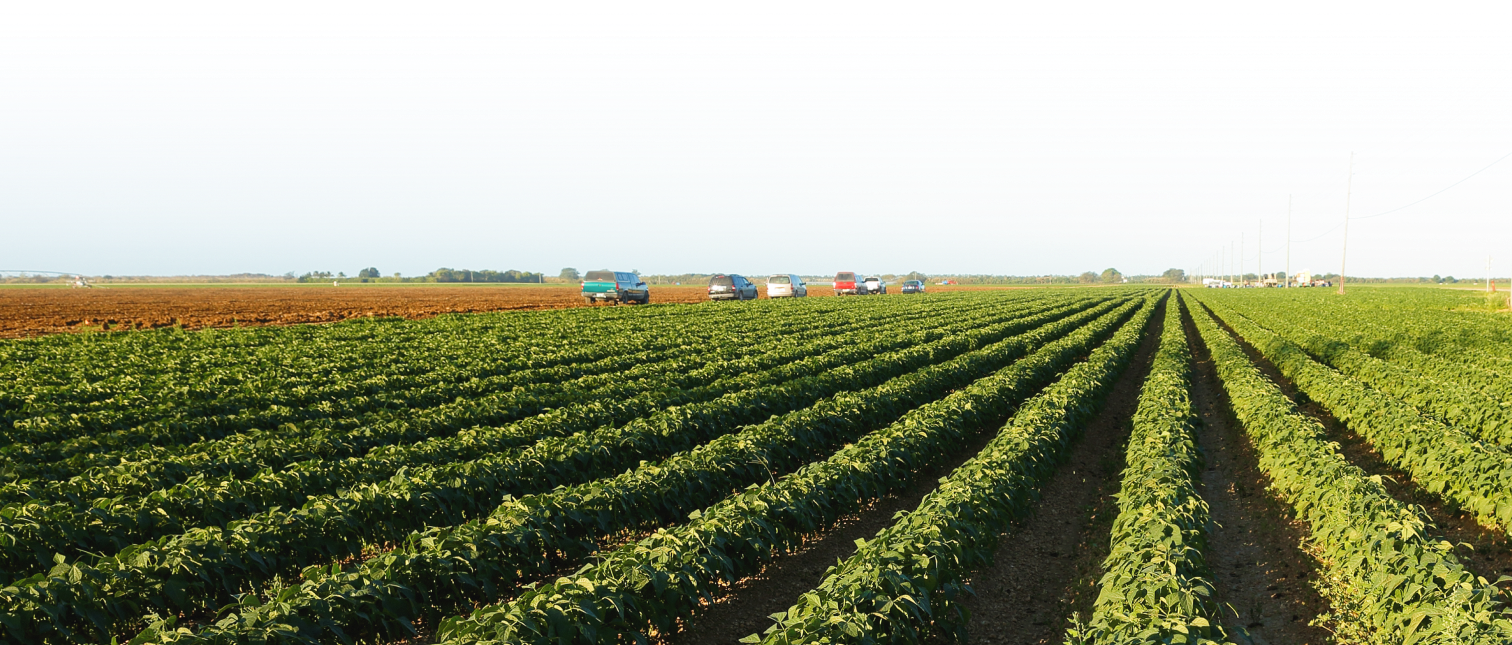
Florida’s warm, sunny climate and long growing season make it one of the nation’s most productive agricultural states. Mild winters allow farmers to grow and harvest fresh fruits and vegetables when much of the country cannot, providing a reliable supply of fresh produce nearly year-round. Combined with diverse soils and generations of farming expertise, Florida is able to produce an incredible variety of crops.

This variety is critical for Florida agriculture, with our state playing a pivotal role in feeding the country, especially during the fall, winter, and spring months when production slows elsewhere. The same crop diversity and extended growing season that strengthens the nation’s food supply also creates opportunities for our food bank network to recover surplus fruits and vegetables that might otherwise go to waste, helping deliver fresh, nutritious Florida-grown produce to families facing hunger.

We met with Cacee Hilliard, Feeding Florida’s Director of Agricultural Relations, to take a deep dive into the history and heart of Feeding Florida’s produce recovery efforts, a program that has transformed from a simple surplus-rescue mission into a sophisticated, statewide supply chain partnership.
Redefining “Recovery”

Since its launch in 2010, our Farmers Feeding Florida program has set the standard for produce recovery. It began with a goal to tap into Florida’s abundance and get excess fruit and vegetables to the families who needed it most. The program was designed with farmers in mind, offsetting a portion of production and harvesting costs when Florida growers have products that no longer have a traditional retail market. Over a decade later, fruits and vegetables still stand as a core commodity of Farmers Feeding Florida, increasing access to healthy foods for the families we serve.

To the food bank network, “recovery” does not mean “scraps.” Recovery typically involves “Number 2 grade” produce—items that are perfectly nutritious but may not meet retail standards due to minor aesthetic imperfections, such as being “too big” from heavy rain or having slight exterior bruising. From this need, Feeding Florida developed the Pick-and-Pack-Out (PPO) model, designed to help offset growers’ production and harvesting costs when their product no longer has a traditional retail market, while creating a reliable source of fresh food for Florida families.

Cacee explained the process for produce recovery, how it moves from farmer to food bank:

  1. When a farmer sees they have number 2 grade products available, they communicate availability with Farmers Feeding Florida. 
  2. If a farmer sees they have an excess of Number 1 products (beyond what the retail market can absorb), they will also communicate with us to find a home for their produce
  3. The food bank closest to the farm receives the first opportunity to accept the produce.
  4.  If the nearest food bank cannot absorb all of the produce, the opportunity to accept some is extended to the remaining eight food banks within the Feeding Florida network.

Jay Johnson of JGL Produce explained, “In the beginning, we only shared produce with them when we had extra. As the program grew, we built a stronger and more active partnership… It has become a real partnership based on trust and our shared goal of reducing food waste and feeding people.”

Cacee also explained how our Feeding Florida network helps farmers to find outlets for excess product, so it also benefits other food banks across the country. “For growers with multiple truckloads available, their product is also offered out via Feeding America’s network to other states, facilitated through the Southeastern Regional Cooperative (SERC),” said Cacee. “We’re proud of this distribution approach as it creates a sustainable investment for our in-state growers, even when local capacity is limited.”

The Power of Forethought: Planned Loads

One of the most significant evolutions in the program is the shift toward Planned Loads. Rather than being a last-resort, Feeding Florida is now a proactive partner in the agricultural supply chain. The program works with growers ahead of the season to anticipate surplus and lock in pricing and availability based on their historical yield data. This forethought provides critical stability for producers.

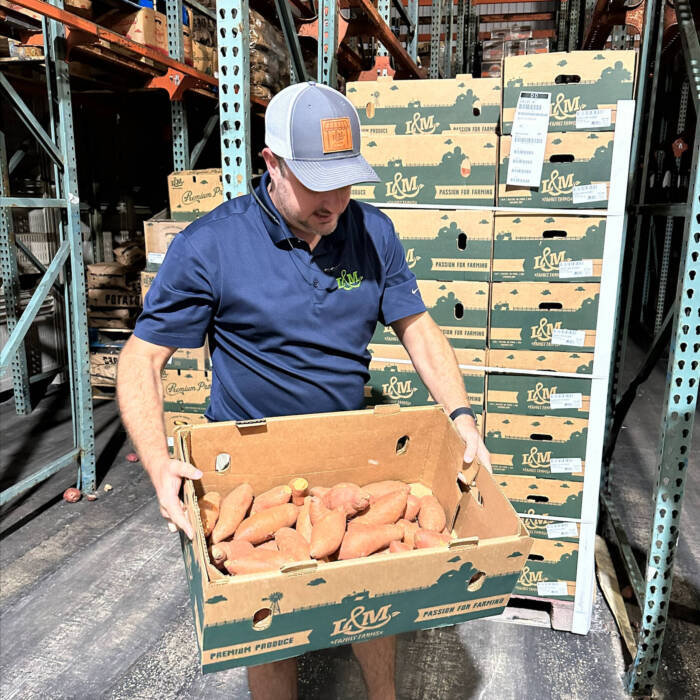
“The growth of the Farmers Feeding Florida program has provided a reliable outlet for some of our crops that might otherwise go unharvested,” said Johnny Lunsford of L&M Farms. “Having advance notice and planned loads gives our farms the opportunity to pack and ship products in the most efficient manner possible. By maximizing efficiency, we can deliver lower operating costs for our farms and growing partners, critical to helping us manage expenses and remain sustainable for the long term.”

Furthermore, this model prioritizes food safety. Cacee explained that Farmers Feeding Florida only partners with established producers who hold PACA licenses and adhere to strict federal and state safety certifications. Every pallet is inspected for quality, ensuring that the produce is always safe, wholesome, and nutritious.

Recovery During Crisis

The true strength of this recovery model is tested during times of disaster, from summer hurricanes to winter freeze. Cacee recalled a pivotal moment during the 2024 hurricane season when Adam Roe of Noble Citrus called her on a Saturday morning.

“Overnight, Noble Citrus’s entire crop of Number 1 grade citrus, originally headed for retail shelves, had been damaged by wind and storms. While the exterior was “beat up,” the fruit inside was still high-quality and nutritious,” explained Cacee. “Although it couldn’t go into the grocery store any longer, Adam knew it does need to feed people.”

Through quick coordination with the Florida Department of Agriculture and the Division of Emergency Management, Feeding Florida secured $3 million in emergency funding to help the farmers facing these post-hurricane issues. In just six weeks, the program rescued 5.6 million pounds of impacted Florida produce, redirecting it to families who were also struggling to recover from the storms.

Growing a Legacy

The growth of our produce recovery program is best seen through the numbers: dating back to the 2015-16 fiscal year, the program averaged roughly 23 million pounds of produce annually. Fast forward to the current fiscal year, and that number has surged to over 37 million pounds. Over the entire lifespan of the program, Feeding Florida has procured a staggering 400 million pounds of produce to feed hungry families.

This impact isn’t just about volume; it’s about the breadth of our partnerships. We currently work with 43 produce growers to recover 29 different Florida-grown fruits and vegetables. By diversifying the types of produce we recover, we ensure a balanced, nutritious variety of fresh food reaches our network of food banks.

More Than Just Business

As a long-standing partner of Farmers Feeding Florida, L&M Farms has seen the program grow firsthand, as both a recovery model and as a critical source for Florida families we serve.

“Being a Farmers Feeding Florida partner is incredibly meaningful because it allows me to make a direct impact on the lives of Florida families facing food insecurity.  I take great pride in producing fresh, healthy food, and knowing that our produce is reaching people who need it most gives my work a greater purpose,” said L&M Farms’ Johnny Lunsford.

For the farmers involved, this program is deeply personal. It bridges the gap between the field and the community, allowing them to see the direct impact of their hard work.

Jay Johnson of JGL Produce added, “We put a lot of work into packing and shipping fresh produce. It feels good to know that our produce goes directly to families who need it instead of going to waste.  I’m proud to be part of a bigger effort to fight hunger in Florida and beyond. It is one of the most rewarding parts of my job.”

By staying local and maintaining these strong relationships, Farmers Feeding Florida continues to build a more resilient and food-secure future for every corner of the Sunshine State.

Recent News

Commodity Chronicles: Produce

The Harvest of Hope: Florida’s Produce Recovery Evolution Florida’s warm, sunny climate and long growing season make it one of the nation’s most productive agricultural states. Mild winters allow farmers to grow and harvest fresh fruits and vegetables when much of the country cannot, providing a reliable supply of fresh produce nearly year-round. Combined with […]

This is the Network: Feeding Northeast Florida

This month we are highlighting Feeding Northeast Florida and the incredible work they’re doing to strengthen communities across Northeast and North Central Florida. From providing nutritious meals to families and seniors to expanding access in rural communities and preparing for disasters before they happen, Feeding Northeast Florida is committed to ensuring neighbors have the resources […]