skip to content

The Power of Nutrition Incentives
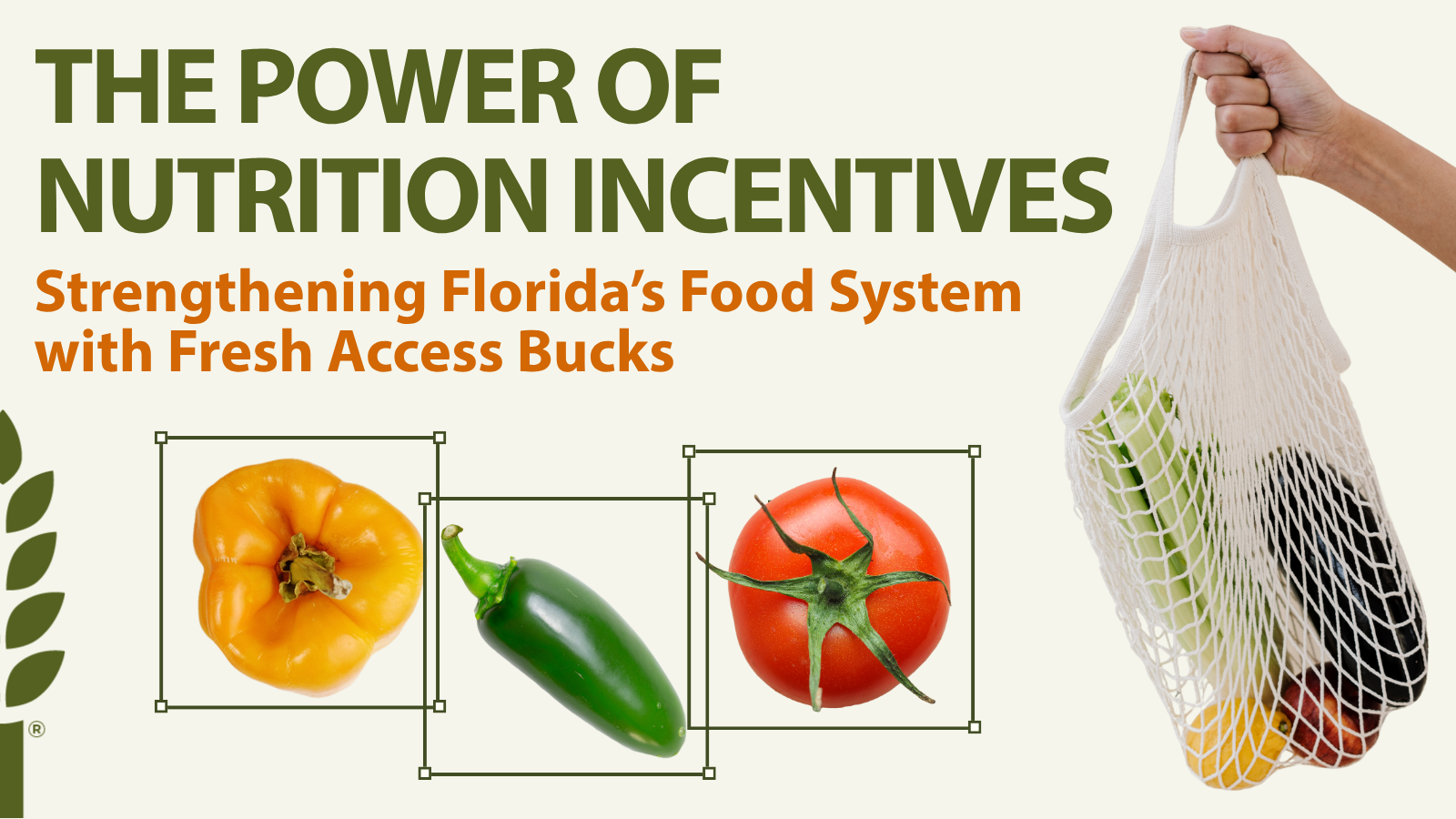
Strengthening Florida’s Food System with Fresh Access Bucks

For many families, buying fresh food is a decision that has to be weighed against every other expense.The challenge isn’t necessarily knowledge about healthy food or interest in purchasing them. It often comes down to these three basic questions: Can I afford it? Can I find it? And can I make it work within the resources I have? Increasing fruit and vegetable consumption among Americans requires addressing the barriers that prevent access to affordable, nutritious food.

The numbers show the size of this challenge. Less than 7% of adults in the lowest income category meet vegetable intake recommendations, with cost, limited availability, and access as barriers to eating more fruits and vegetables.

That is where nutrition incentives can make a difference.
Making Food Dollars Go Further

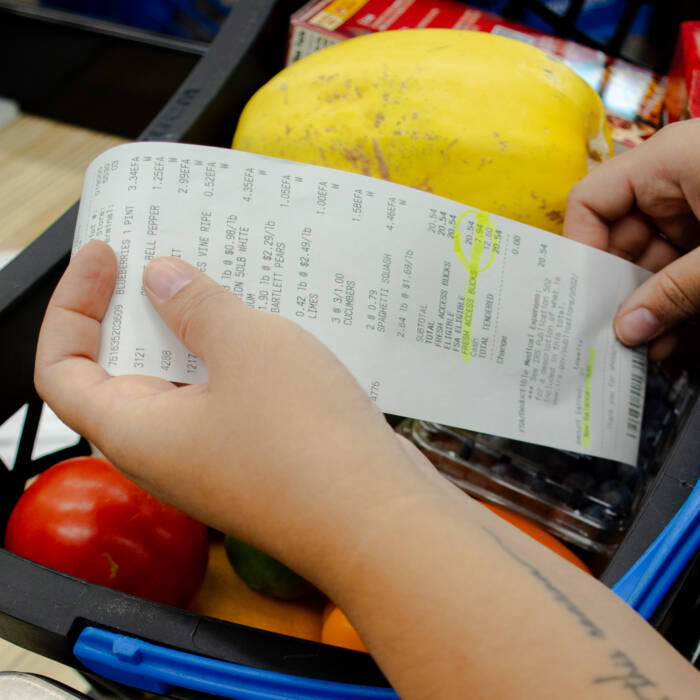
Nutrition Incentive (NI) programs have emerged and been widely accepted as one practical way to address the gap between having access to nutritious food in theory and being able to afford it in practice. At the heart of many of these programs is a basic idea: when someone uses SNAP to purchase eligible foods, they receive additional purchasing power to buy fresh fruits and vegetables.

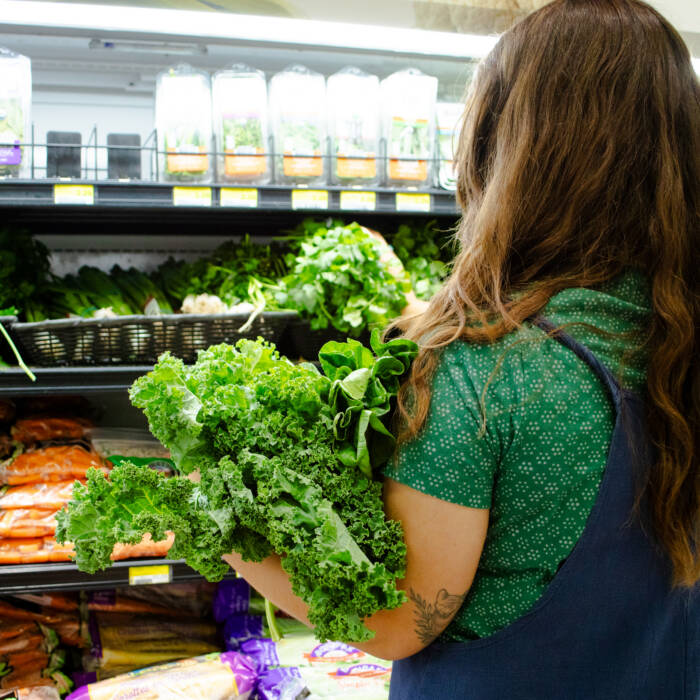
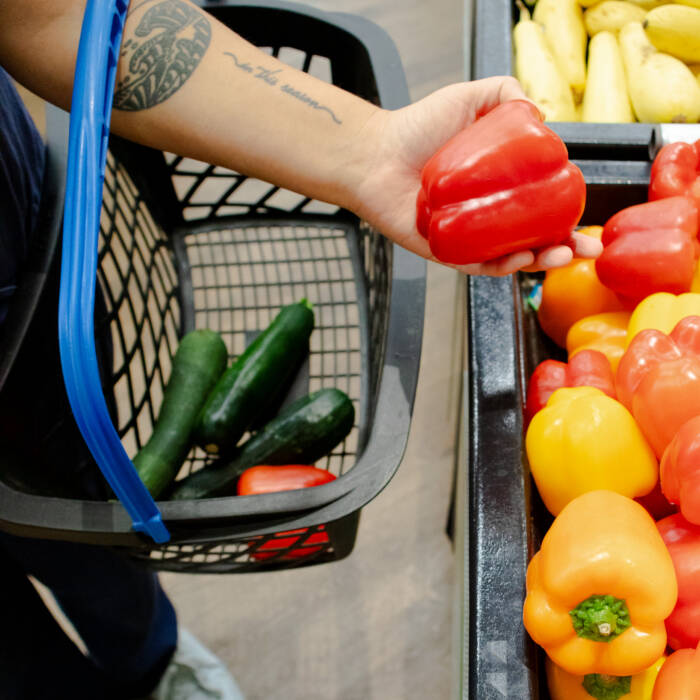
The idea is simple, but the impact can be significant. For a family living on a limited food budget, those additional dollars can make a real difference. They can mean adding strawberries, tomatoes, or fresh greens in the shopping cart or leaving them behind on the shelf. It gives families more room to make healthy choices without asking them to sacrifice other foods they need.

Nutrition incentives also give people the opportunity to eat with the seasons and, in many cases, eat locally. Fresh corn in the summer, Florida blueberries in the spring or citrus in the winter can become part of a family’s food habits in a way that might not otherwise be possible.

Meeting Floridians Where They Shop

Fresh Access Bucks (FAB) is Feeding Florida’s Nutrition Incentive program. What began in 2013 with just three farmers markets in Gainesville has grown into a statewide program reaching 48 out of Florida’s 67 counties—about 72% of the state.

Today, FAB operates where Floridians already shop, including farmers markets, farm stands, CSAs, mobile markets and community grocery stores. More than 75 outlets currently participate, with additional retail expansion planned for rural Northwest Florida.

This rural grocery component is especially important. Rural communities may have fewer grocery stores, smaller selections of fresh produce and limited transportation options. When families have fewer choices and higher prices, fresh produce can feel out of reach.

FAB’s model recognizes that food access isn’t one problem with one solution. People experiencing hunger have different circumstances, resources, locations, and ways of accessing food. Feeding Florida’s programs work to address those different points in the food system.

FAB meets people where they are. A family shopping at a farmers market can use FAB to bring more Florida-grown produce home. A family shopping for pantry staples at a rural grocery store can use the same benefit in the produce section. And it does so without asking families to make another trip, navigate another complicated process, or choose between the more shelf stable foods they need and the fresh food they want. When a SNAP participant shops at a participating FAB location, their food dollars can go further toward fresh, Florida-grown fruits and vegetables.

Strengthening the Food System from Farm to Fork

The impact doesn’t stop at the shopping cart.

Fresh Access Bucks is one part of Feeding Florida’s broader approach to tackling hunger throughout the state.

Through Farmers Feeding Florida, Florida-grown agricultural products are recovered and distributed to people facing hunger. Through Florida Nutrition Education, families receive knowledge and resources to support healthy eating and learn how to stretch their dollars further. Through Fresh Access Bucks, people can use the resources they already have to purchase more fresh, Florida-grown food.

Each program addresses a different point in the food system because hunger does not look the same for every person or every community.

A Win for Families, Farmers, and Florida

Since 2013, Fresh Access Bucks has generated an estimated $57.2 million in economic impact across Florida. This includes more than $7.2 million in FAB incentives spent on fresh produce alongside $26.4 million in healthy SNAP spending, creating purchasing power that reaches far beyond the checkout line.

Behind those numbers are families bringing more fresh food home, farmers finding new markets, and local retailers and markets seeing increased demand.  It is the ripple effect that happens when food dollars move through the entire food system.

Fresh Access Bucks is critical in bringing these pieces together. It is more than a program that helps families buy fruits and vegetables. It is an investment in health, agriculture, local economies and a stronger, more resilient food system.

Recent News

The Power of Nutrition Incentives

Strengthening Florida’s Food System with Fresh Access Bucks For many families, buying fresh food is a decision that has to be weighed against every other expense.The challenge isn’t necessarily knowledge about healthy food or interest in purchasing them. It often comes down to these three basic questions: Can I afford it? Can I find it? […]

Florida Grown, Florida Shared

A Year of Farmers Feeding Florida Farmers Feeding Florida is more than a food recovery program. It is a statewide partnership connecting farmers and ranchers, processors, food banks and state leaders to make sure Florida-grown food reaches families instead of going to waste. Farmers and producers can face unexpected challenges, from market disruptions and processing […]

Commodity Chronicles: Produce

The Harvest of Hope: Florida’s Produce Recovery Evolution Florida’s warm, sunny climate and long growing season make it one of the nation’s most productive agricultural states. Mild winters allow farmers to grow and harvest fresh fruits and vegetables when much of the country cannot, providing a reliable supply of fresh produce nearly year-round. Combined with […]