How Feeding Florida Prevents Food Waste Across the Network
When it comes to feeding hungry Floridian families and individuals, reducing food waste is a crucial component. As a non-profit organization, Feeding Florida’s network relies on government funding and generous donations, so our network food banks work to ensure no donated item goes to waste. This Food Waste Prevention Week, take a closer look at the ways the Feeding Florida network works to eliminate food waste and increase impact on hungry Floridians across all 67 counties.
Food scraps become farm slop
Given that our food banks accept all kinds of donations from the public, government, retail stores, local farmers, and more, there are sometimes where the donated goods are no longer suitable for consumption. In this case, our food banks collect expired or unusable donations and donate them to local farmers. These farmers turn these goods into slop for their livestock, which really shows how our food banks work to support local farmers full-circle.
Donated goods
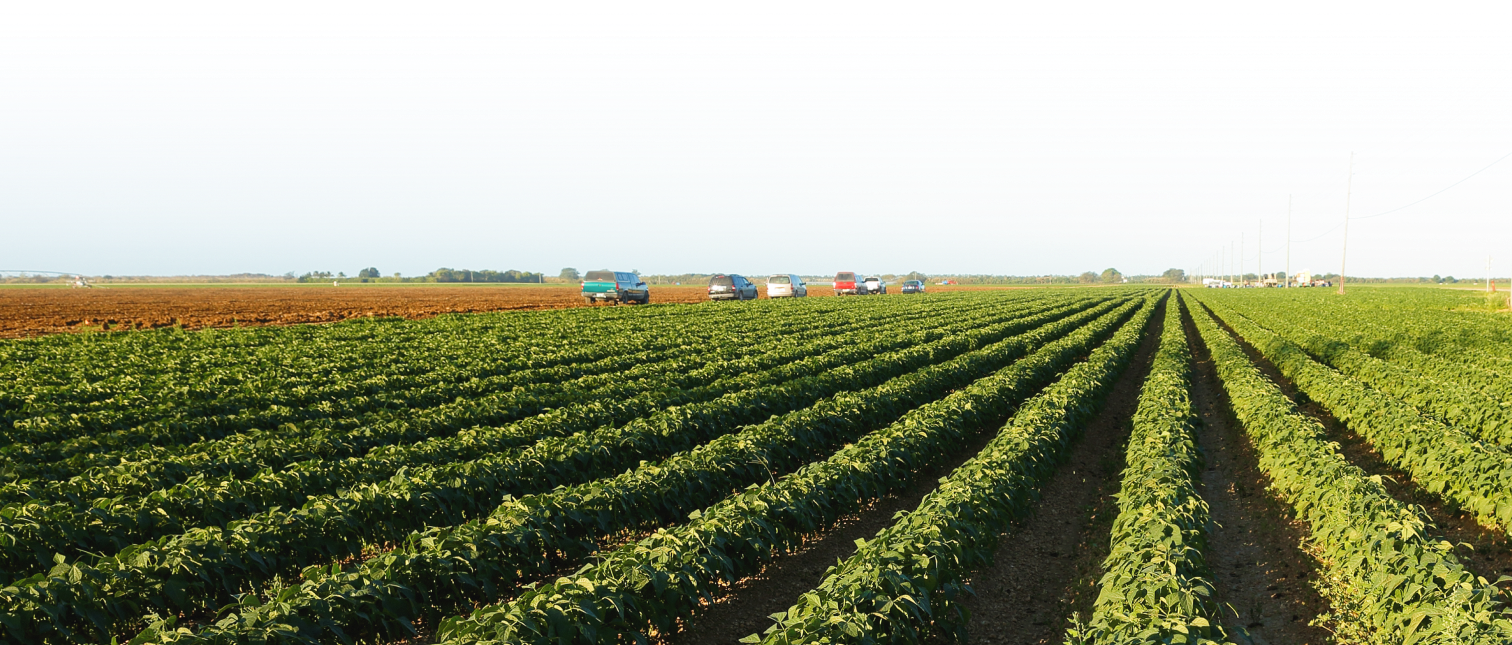
Our food banks receive produce and goods from three main sources: gleaning, retail, and service industry donations. Gleaning is collecting excess produce from farmers once their fields have been commercially harvested. Retail donations, like those from major companies like Walmart and Publix, help fill the gap for some food items like proteins and dairy. Service industry donations from restaurants that closed their doors during the pandemic helped provide for millions of families in need. 35% of all food produced goes uneaten, which is why collecting donations from so many different sources helps our organization reduce food waste.
Food safety
After all, our food banks help minimize food waste by conducting thorough food safety inspections because providing people with food they don’t want or can’t use only creates more waste. Upon arriving at the food bank, donated goods are checked for quality to ensure that no food will rot or go to waste soon. All our food banks must follow AIB International food regulations per our Feeding America contracts which requires three level of inspection: package integrity, expiration dating and aged inventory. The food is then distributed based on shelf-life to ensure it gets into the right hands as soon as possible. Food that is no longer able to be consumed is donated to local farms to turn into slop for their animals.
Transportation turn-around time
When it comes to donated produce, quick transportation turn-around time is crucial. This is why each of our network member food banks has a fleet of air-conditioned trucks to transport goods across the state. Thanks to our fleet of trucks, our network can be quick to respond during times of natural disaster as well. Being able to put food on the tables of millions of Floridians starts here, with our Feeding Florida trucks.
Client choice programs & like item pallets
Our 12 network member food banks serve all 67 Florida counties 365 days a year, catering to a wide range of individuals and families across the state. Each of our 2,400 partner agencies serve unique communities full of individuals with unique needs. This is why our food banks offer our partner agencies like-item produce pallets and client-choice programs. Thanks to these programs, our partner agencies can intentionally select which produce they want to carry in their pantry. This helps minimize food waste because food that is not wanted or needed ends up turning into waste, so giving our agencies the option to select their own food is critical.